Soundscapes in the Vineyard

soundscapes-4

One tends to underestimate the influence and, perhaps, importance of sound in agricultural practice, or even in life in general. Sound constitutes an integral part of the identity of any given piece of nature or any particular piece of land. Like a human fingerprint or DNA, any given piece of landscape, a vineyard for example, has a unique and individual sound profile or sound identity which ultimately distinguishes the piece of land, let’s say the vineyard, in a singular and, quite possibly, unrepeatable way.

soundscapes-8

A vineyard in Pollença, for example, has by the particular nature of its ecological, natural and geologic components and constituents, a different composition of sounds, tones, acoustic vibes and bioacoustic signals when compared to a vineyard in Banyalbufar or another one in Santanyí. A vineyard in Mallorca has a different ‘soundprint’ or sound ‘DNA’ from one in La Rioja and a Spanish wine field has a different sound definition from one in France or another one in California. Even a vineyard in Santanyí like ours at Son Alegre has a different sound ‘persona’ from another vineyard just down the road, let’s say, in Cas Concos des Cavaller.

soundscapes-3

Some of the sounds in the vineyard us humans can hear, such as animals, the wind, rainfall, thunder or birds, whereas other sounds are not decipherable by the human ear due to their pitch or frequency. The human hearing range is commonly given as 20 to 20,000 Hertz. The frequency of sound pulses of ants, moths or other insects can be as high as 30,000 Hz and thus, can’t be heard by us, whereas the sound frequency of anurans (frogs, toads, amphibians) can be as low as 6 Hz and are equally inaudible to us.

soundscapes-5

But there is even sound created or caused by plants, by minerals and other organic, non-animal matter. Trees make a sound and are even said to communicate, as do mycorrhizæ (fungi which grow in association with the roots of a plant). The earth structure in the Lithosphere and further below makes a sound, too. In fact, one might say that there is nothing on Earth, or even nothing in the Universe, which is totally silent and without any sound. Sound defines anything and everything, be we aware of it or not. Human capacity to hear or decipher sound or noise is not the criteria for the existence of acoustic signatures or sound structures or Bioacoustics.

Soundscape ecology is the bio- and geo-acoustic branch of ecology that studies acoustic signatures from whatever source within a landscape (the soundscape). The soundscape of a given region can be viewed as the sum of three separate sound sources: Geophony is the first sound heard on earth. Non-biological in nature, it consists of the effect of wind in trees or grasses, water flowing in a stream, waves at an ocean or lake shoreline, and movement of the earth. Biophony is a term introduced by soundscape ecologist, Bernie Krause, who in 1998, first began to express the soundscape in terms of its acoustic sources. The biophony refers to the collective acoustic signatures generated by all sound-producing organisms in a given habitat at a given moment. It includes vocalizations that are used for conspecific communication in some cases. Anthropophony is another term introduced by Bernie Krause along with colleague, Stuart Gage. It represents human sources from heavily populated urban regions usually contains information that was intentionally produced for communication with a sound receiver. The expression in various combinations of these acoustic features across space and time generate unique soundscapes.

(quoted from Wikipedia, thank you very much)

soundscapes-10

Soundscape ecologists seek to investigate the structure of soundscapes, explain how they are generated, and study how organisms interrelate acoustically. A number of hypotheses have been proposed to explain the structure of soundscapes, particularly elements of biophony. For instance, an ecological theory known as the acoustic adaptation hypothesis predicts that acoustic signals of animals are altered in different physical environments in order to maximize their propagation through the habitat. In addition, acoustic signals from organisms may be under selective pressure to minimize their frequency (pitch) overlap with other auditory features of the environment. This acoustic niche hypothesis is analogous to the classical ecological concept of niche partitioning. It suggests that acoustic signals in the environment should display frequency partitioning as a result of selection acting to maximize the effectiveness of intraspecific communication for different species. Observations of frequency differentiation among insects, birds, and anurans support the acoustic niche hypothesis. Organisms may also partition their vocalization frequencies to avoid overlap with pervasive geophonic sounds. For example, territorial communication in some frog species takes place partially in the high frequency ultrasonic spectrum. This communication method represents an evolutionary adaptation to the frogs’ riparian habitat where running water produces constant low frequency sound. Invasive species that introduce new sounds into soundscapes can disrupt acoustic niche partitioning in native communities, a process known as biophonic invasion. Although adaptation to acoustic niches may explain the frequency structure of soundscapes, spatial variation in sound is likely to be generated by environmental gradients in altitude, latitude, or habitat disturbance. These gradients may alter the relative contributions of biophony, geophony, and anthrophony to the soundscape. For example, when compared with unaltered habitats, regions with high levels of urban land-use are likely to have increased levels of anthrophony and decreased physical and organismal sound sources. Soundscapes typically exhibit temporal patterns, with daily and seasonal cycles being particularly prominent. These patterns are often generated by the communities of organisms that contribute to biophony. For example, birds chorus heavily at dawn and dusk while anurans call primarily at night; the timing of these vocalization events may have evolved to minimize temporal overlap with other elements of the soundscape.

(quoted from Wikipedia, thank you very much)

soundscapes-6

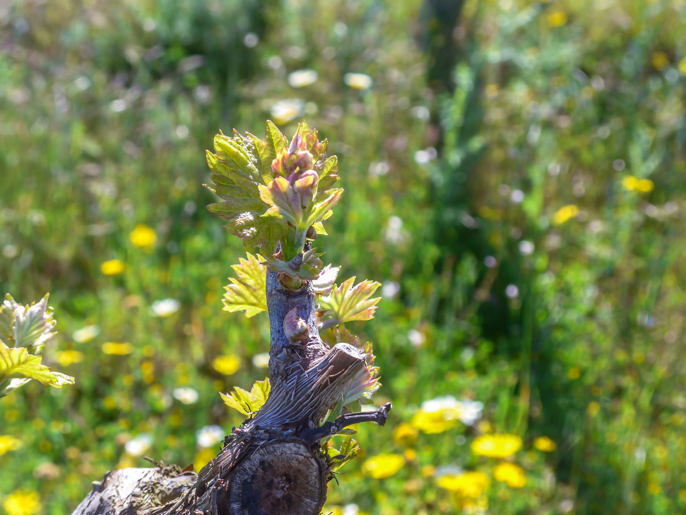
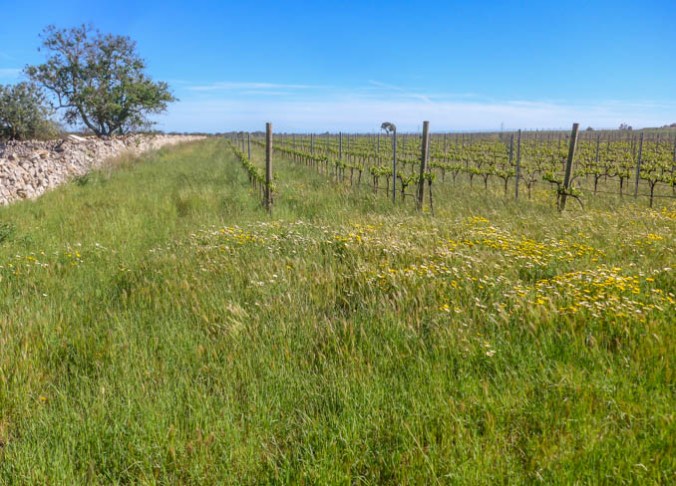
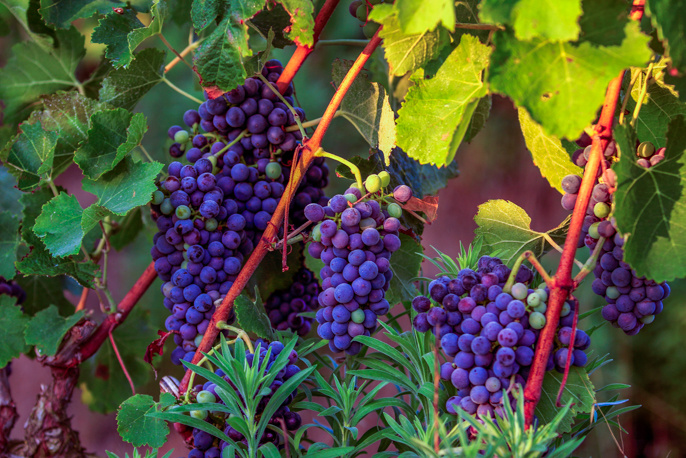
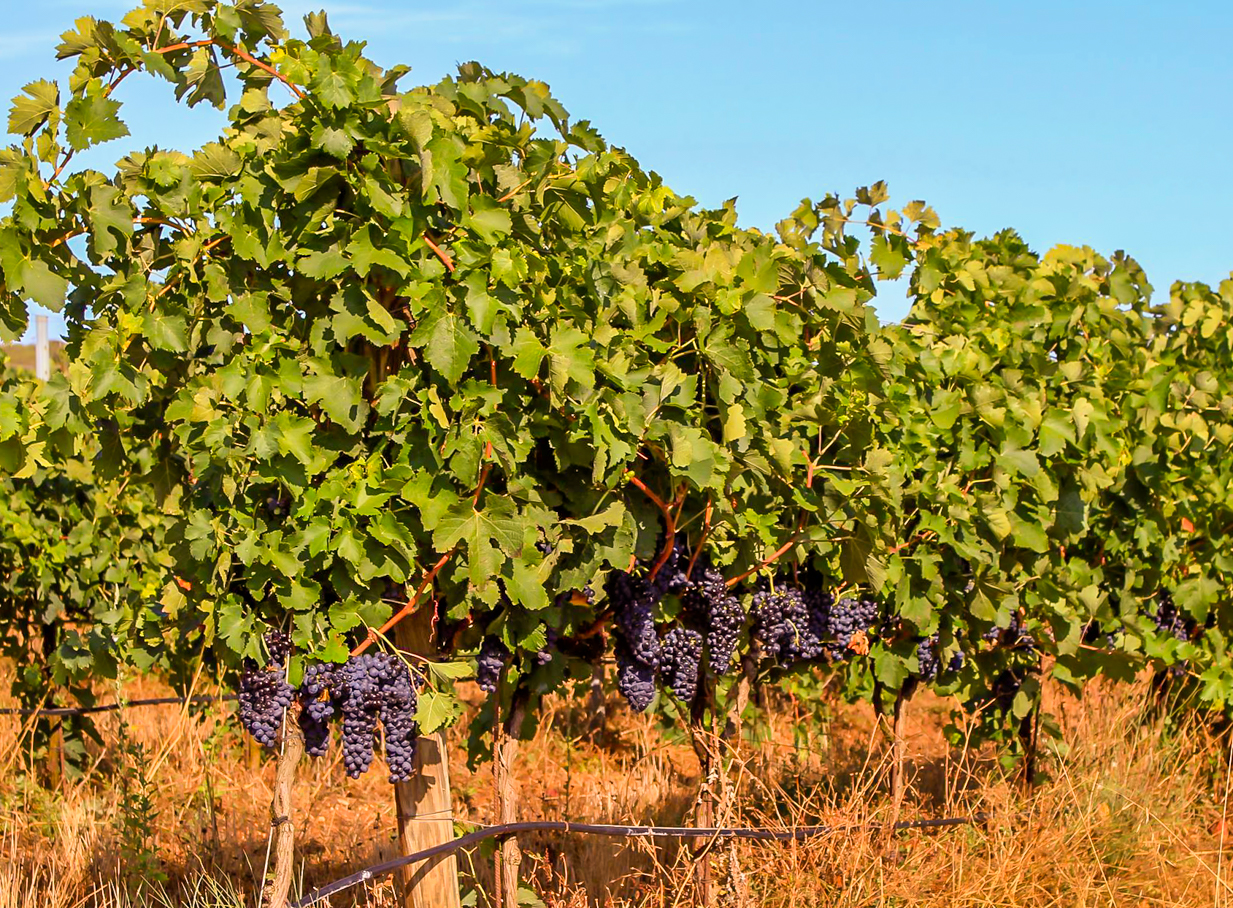
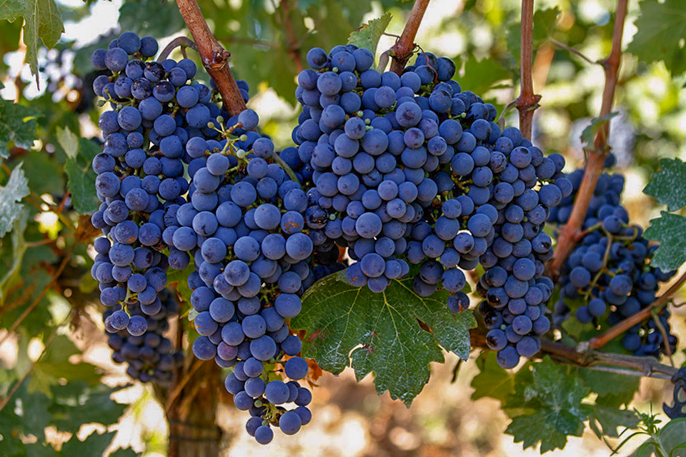
Back to Son Alegre and our vineyard. We do not pretend that the soundscapes at Son Alegre make or shape our wine but we are certain that there is an effect of everything upon anything. The biophonic sound spectres and the bioacoustic ‘soundprint’ of our land are unique, distinguished and individual and affect our wines in a very particular and exceptional way, just as our soil does, which is also very singular, as do the meteorological conditions of our land, as do our organic agricultural practises and our biodynamic approach to farming. The sound does not make our wine but, without any question or the slightest doubt, Son Alegre wines would be different if the conditions, acoustic or otherwise, under which they are produced, would be distinct. Our wines are like no other wines, anywhere.

soundscapes-7

Omnis est sonus. All is sound.

Note:

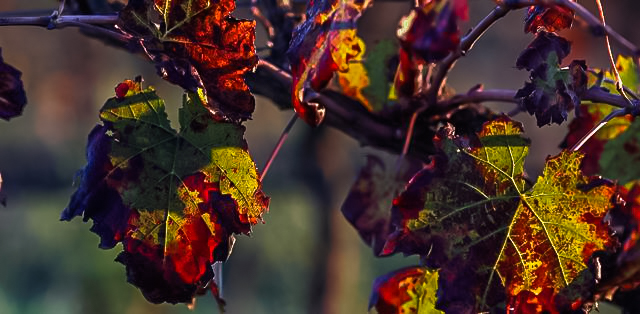
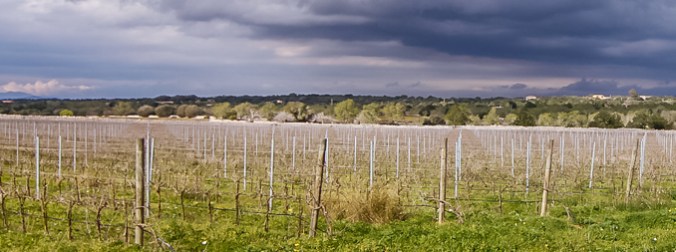
The graphic spectrogram illustrations above were borrowed from the Internet, courtesy of www.beautifulnow.is and www.soundstudiesblog.com. However, these graphic images do not represent the soundscapes of our land at Son Alegre nor its acoustic DNA. The photographic images were taken by John Hinde on our finca in Santanyí.

Tot és so.

Harvesting Olives at Son Alegre

son-alegre-olives-3

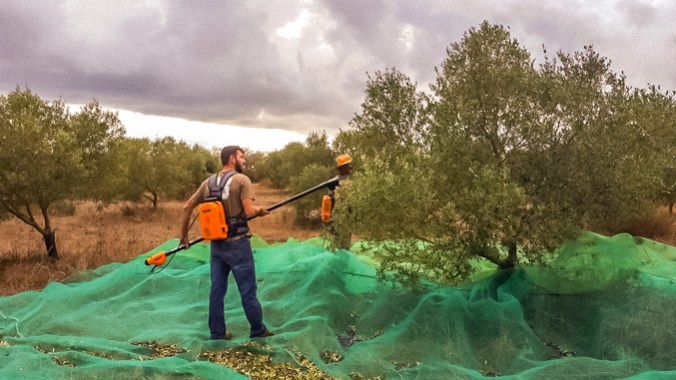
This week and last we started this year’s olive harvest at Son Alegre. Our one thousand plus olive trees of the Arbequina variety are doing very nicely, thank you very much. We planted the trees in 2004 and they have not been sprayed with pesticides, insecticides or herbicides for almost ten years now. Neither have we treated our land or our trees with growth enhancing substances such as fertilisers, be they of synthetic or organic nature. Although we would be allowed to use some organic pest repellents we abstain from such interference because we do not want to disturb the biodiversity of our olive grove that we have so carefully encouraged and maintained over the years. Using organic insect-repellent sprays such as Kaolin, a silicate clay mineral, would undoubtedly give us a higher yield when it comes to harvesting the olives but the downside would be a product of a lesser quality and this is not what Son Alegre stands for.

son-alegre-olives-5

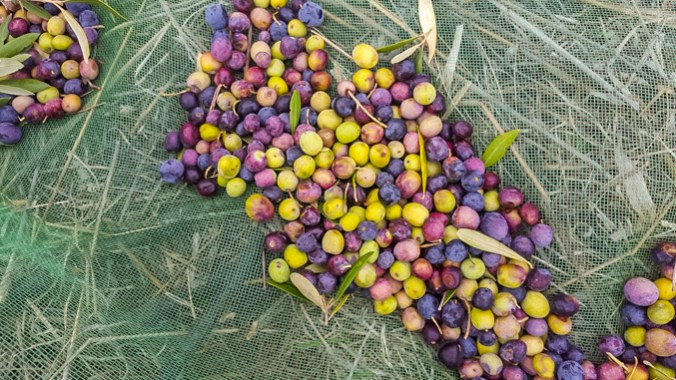
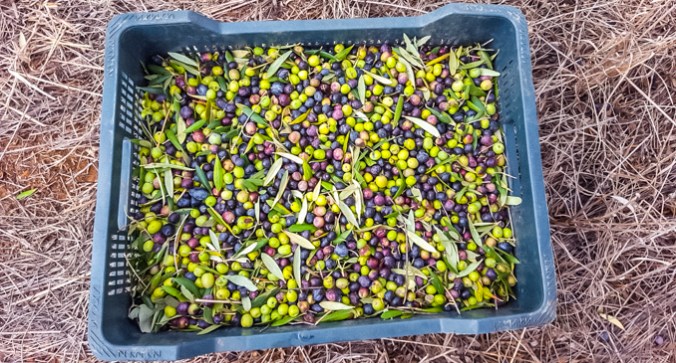
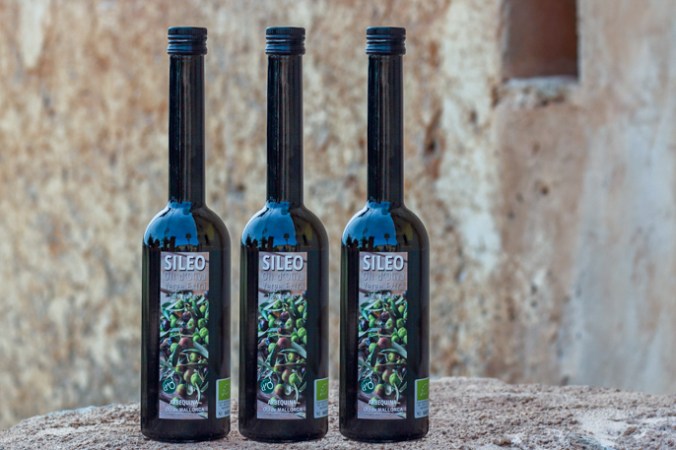
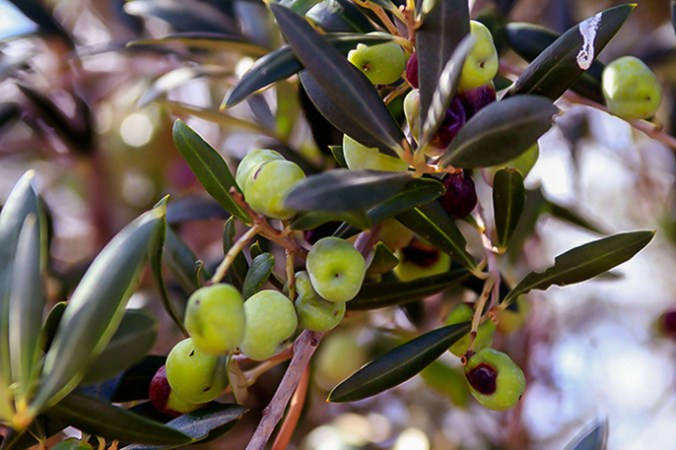
We are very particular about collecting our olives just before they all reach complete maturity with the presence of three colour olives on each tree – green, purple and black. This way we are assured a maximum quality of our SILEO Extra Virgin Olive Oil. If we waited any longer we might well achieve a higher yield but would receive an oil of a lesser quality.

son-alegre-olives-2

For maximum freshness we always take our olives to the oil mill on the same day of the harvest. In fact, every year our olives are the first ones of the new season to be pressed at the oil mill. As always, we collaborate with the Cooperativa Agrícola de Sant Bartomeu in Sóller, famed for their gentle handling of the olives and renowned for their output of oil of the best quality.

son-alegre-olives-4

This year, Mallorcan olive production in general has suffered a downturn in quantities due to the climatic conditions on the island throughout the year and the absence of any significant rainfall. At Son Alegre, our harvest was down by about one third compared to the previous year. This week and last, we harvested a total of 2,896 kilogrammes of olives, giving us a total of 404 litres of olive oil with an acidity level of only 0.5%. This will give us no more than 800 bottles of Sileo Extra Virgin Olive Oil of 500 ml each. The oil is now in the oil press in a state of non-intervention and repose before the bottling process takes place, probably in January 2017.

Sileo 2

Bon profit.

A Visit to Son Alegre by ESRA

son-alegre-esra-5

A group of visitors from ESRA Mallorca South East came to visit Son Alegre last week. The English-Speaking Residents’ Association in Mallorca (known as ESRA) was founded in 1983 and currently has some 1200 members island-wide. There are five regional ESRA districts in Mallorca (South West, Central, North, North East and South East). Members pertain to many nationalities such as Australian, British, Canadian, Dutch, Danish, Irish, Swedish etc. and a diverse range of professions from all walks of life, the common bond being that all speak English. Please consult the ESRA website if you are interested in their social activities or their help and information facilities. ESRA is a non-political, non-religious, non-commercial organization.

son-alegre-esra-2

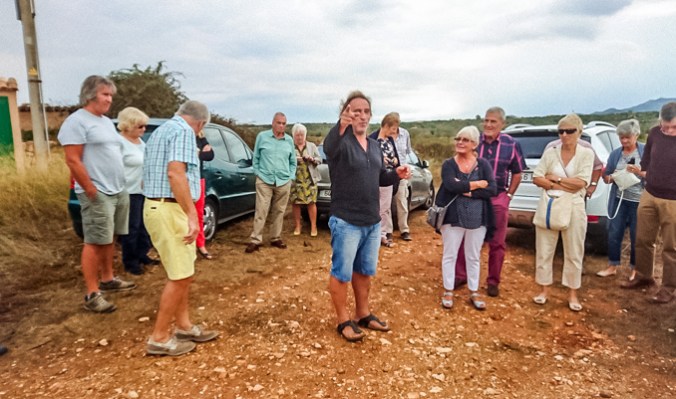
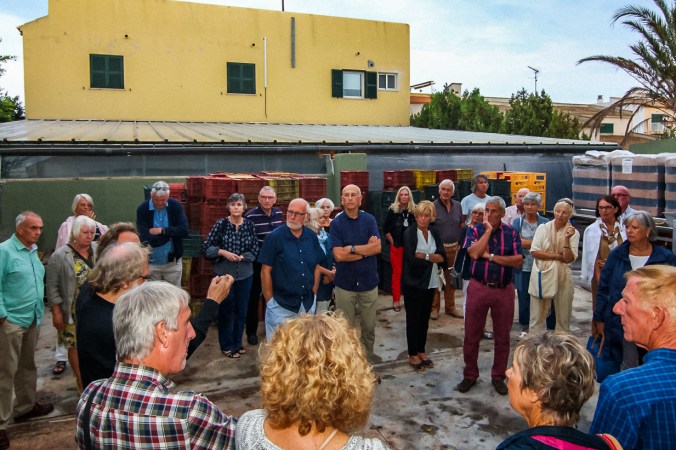
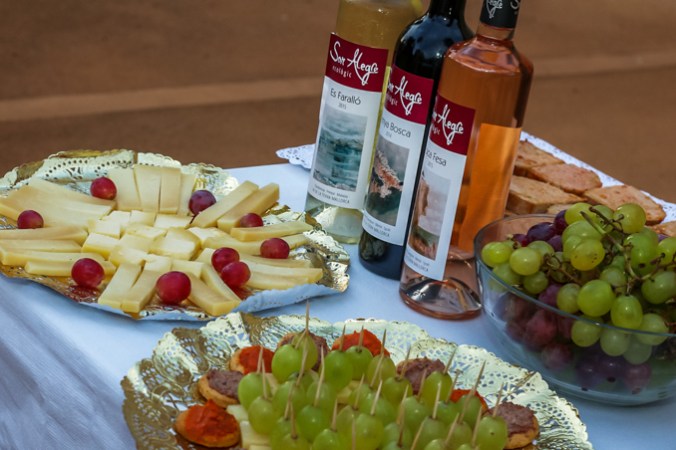
Son Alegre first invited the visitors to tour the vineyard in Santanyí where the Son Alegre approach of natural organic farming under bio-dynamic principals was explained. The group then proceeded to our Bodega in Calonge where the installations were presented and the winemaking process was explained. We all headed to nearby Ca’n Taconer where the visitors had a chance to taste the current range of Son Alegre wines as well as Son Alegre‘s Sileo Extra Virgin Olive Oil, accompanied by Mallorcan tapas lovingly prepared by the ladies of the house, Francisca Binimelis and Maria Vadell. The event was rounded off by some classical guitar tunes presented by the well known Juan Reyes on his acoustic Spanish guitar. The presentation to the visitors was made by Son Alegre‘s Miquel Manresa in Spanish and translated into English by Klaus Fabricius.

son-alegre-esra-7

The event had been arranged and devotedly prepared for ESRA by Lucy O’Connor. The photos © were taken by John Hinde, Klaus Fabricius and Miquel Manresa.

son-alegre-esra-4

Should you or your organization be interested in a visit to the Son Alegre facilities, together with a wine tasting, please contact us on vinyasonalegre@yahoo.es or sinesolesileo@hotmail.es for a personalised proposition.

son-alegre-esra-6

Grape Harvest in Santanyí

son-alegre-grape-harvest-4

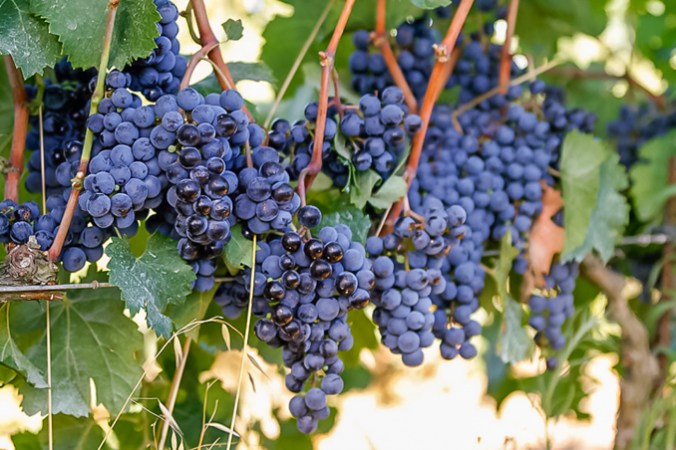
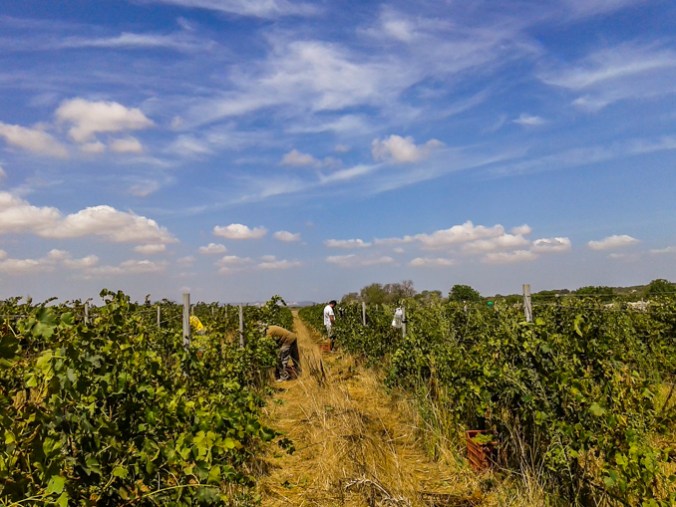
September is always a busy month for us here at Son Alegre in Santanyí. September is the month of the grape harvest on the island of Mallorca. Depending on area and grape variety, some grapes, especially white ones like Chardonnay, Macabeu, Malvasía and Giró varieties, may already have been picked in the latter half of August.

In the past there were plenty of grape harvests in Santanyí. During the 1880s, some 580 cuarteradas of land (approx. 420 hectares) were cultivated here with vines. But the Grape phylloxera (Daktulosphaira vitifoliae), a tiny sap-sucking insect, destroyed virtually all of Mallorca’s vineyards, including the ones in Santanyí, between 1893 and 1898. Son Alegre is the first, and so far only, vineyard in the Santanyí area to grow wine again since almost 120 years.

son-alegre-grape-harvest-3

Even though this year was unusually dry in Mallorca with hardly any rainfall over the last eight months, the year 2016 promises to be a very good year for wine here in Mallorca, both in terms of quantity and quality. Our grapes do not seem to have suffered too much from the current water shortage. If anything, the lack of water may have improved the quality of our grapes; they are definitely smaller than usual but probably of a better quality. Had there been more water, the grapes would have a lower sugar level and a lesser concentration of aromas. It may have helped that we never plough our land and thus do not deprive the soil of any remaining humidity that might be stored that little bit further down below the surface where Mycorrhizae and other organisms form an important component of our soil life and soil chemistry.

son-alegre-grape-harvest-2

Ten days ago we started with this year’s wine harvest at Son Alegre. We collected about 6,000 kilogrammes of white grapes and expect to convert these into perhaps 5,000 bottles of Son Alegre white wine, ready for consumption in 2017.

Our red grape varieties, such as Merlot, Syrah, Cabernet Sauvignon and Monastrell, will be harvested anytime soon between the middle and the end of September, depending on their state of maturation and on the analysis of their sugar content.

son-alegre-grape-harvest-5

This year, Nature rewarded us again with a truly beautiful harvest, always in harmony with the land. We are truly blessed with our land and are grateful for what we receive from our soil, year after year.

Son Alegre Proudly Presents the Literary Contest for Short Stories “Amor a la terra”

Relat Curt

Son Alegre is proud to announce the launch of its new competition, the “Amor a la terra” Literary Award for Short Stories. The presentation of the contest will take place this evening at 20:00 h at Can Taconer in Calonge.

This literary competition is open to anyone over the age of 18 accepting the challenge, regardless of nationality, as long as submissions are made in the Catalan language. The winner will receive a cash reward of 1000 Euro and the short story will be published. Entries can be submitted between today and March 2nd, 2017. The detailed conditions are spelt out below in the PDF below in Catalan.

i-premi-de-relats-breus

Son Alegre ecologic


We Proudly Present Our New SILEO Extra Virgin Olive Oil

Sileo 2

We are proud of our Son Alegre organic wines.

But we produce more than just wine. We planted over 1,000 olive trees of the Olea europaea species in 2004, bearing olives of the Arbequina variety. Olives of the Arbequina variety are considered to be one of the best in the world for consistency and productivity, as well as for the quality of their oil.

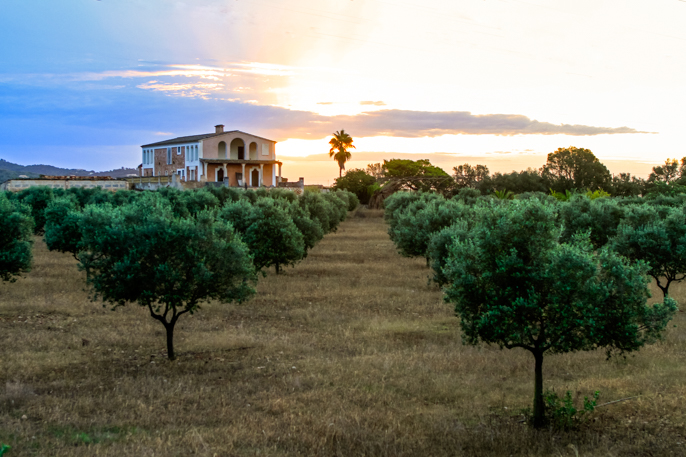
Just like our vines, our olive trees are cultivated under 100 % organic conditions on our Son Alegre estate near Santanyí, where the coastal hinterland meets the rolling hills of the Mallorcan Serra de Llevant.

Sileo 3

On our land, we follow biodynamic principles and do not use any chemicals or non-organic fertilisers, resulting in a low yield but rewarding us with truly exceptional quality. Due to climatic conditions in 2015, only 3,800 kg of olives were harvested, resulting in a mere 420 l of olive oil (9.15 kg of olives are needed to produce one litre of our olive oil). For added stability we include a small amount of wild olives (Olea oleaster) at a ratio of no more than 1.5 %, giving our oil a subtle tang and a truly luscious fragrance.

Luckily, all our efforts resulted again in a premium product of exceptional character, albeit of a very limited quantity.

We always collect our olives just before they reach maturity. We handpick the fruit and, for maximum freshness, deliver the olives personally to the tafona (oil mill) in Sóller on the same day, just a few hours after they have been harvested. As we do not have our own oil mill, we collaborate with the Cooperativa Agrícola de Sant Bartomeu in Sóller, famed for their gentle handling of olives and renowned for their output of oil of the best quality.

Sileo 7

Our oil is extracted by a high-speed centrifugal process from the olives, without the use of any chemical agents. The result of this process is SILEO Extra Virgin Olive Oil (Oli d’oliva verge extra), an olive oil of a truly superior, organic quality.

Our olive tree plantation is scrutinised by the rigorous criteria of the Conselleria d’Agricultura, Medi Ambient i Territori as part of the Govern de les Illes Balears. The quality of our oil production is supervised by the Institut de Qualitat Agroalimentària de les Illes Balears (IQUA) and the Consell Regulador de la Denominació d’Origen Oli de Mallorca, allowing us to classify our oil as Oli de Mallorca Denominació d’Origen protegida.

Sileo 8

Before bottling, our olive oil is tested by an ENAC-laboratory (Entidad Nacional de Acreditación). Our 2015 SILEO Extra Virgin Olive Oi was measured with a degree of acidity of 0.6%.

SILEO Extra Virgin Olive Oil is known for its creamy and flawless yet delicately intense fragrance.

Sileo 5

This year, SILEO is sold in bottles of 500 ml. Only 500 bottles of our new Extra Virgin Olive Oil are coming to the shops this year; there aren’t any more. Sorry, but that’s the way how Nature works.

We Are Now Launching Our, Quite Possibly, Best Ever Organic Rosé Wine, the Fresh Roca Fesa 2015

Roca Fesa 3

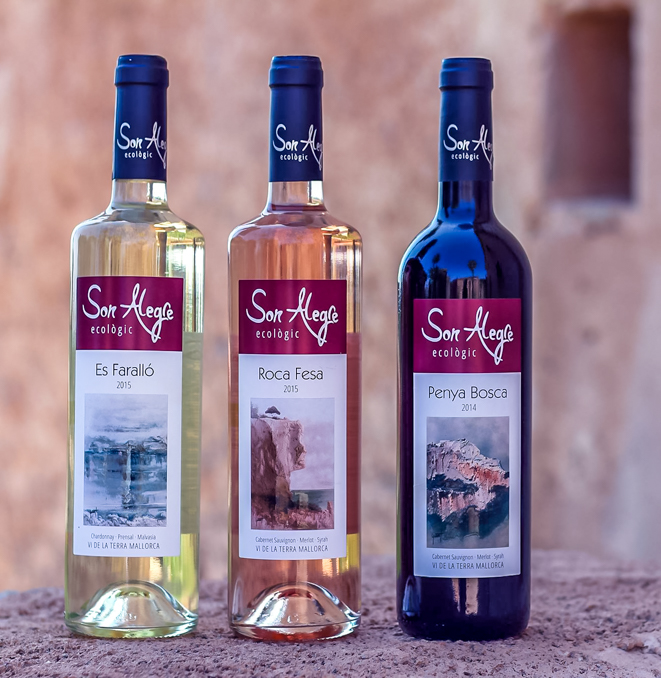
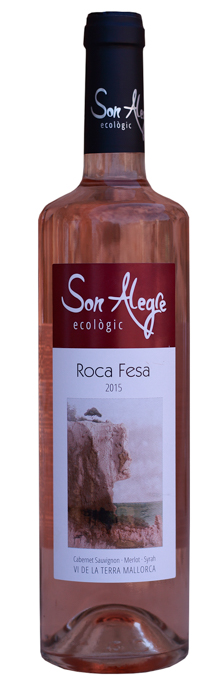
We are proud to present our new organic Rosé wine Roca Fesa 2015, probably the best Rosé wine we have ever made.

The Roca Fesa 2015 Rosé wine is a coupage of our Cabernet Sauvignon and Merlot grapes with a small amount of grapes of the Syrah variety. All our grapes were harvested by hand in the third week of September of last year on our land at Son Alegre near Santanyí in the southeast of Mallorca and brought to our own bodega in the village of Calonge. Our vineyard benefits from the Serra de Llevant’s moderating impact on climate as well as from the thermal conditions of the coastal area with its gently cooling Embat thermal wind.

Roca Fesa 6

The vinification of our Roca Fesa 2015 Rosé wine was done at our own bodega for the first time ever with the good help of our oenologist, Luis Armero González. The wine making was done under his supervision at a controlled temperature of between 15 and 18º C during the fermentation process with a maceration of 21 days. The fermentation took place in stainless steel tanks. The ageing process occurred over eight months in vats plus a further five weeks in the bottle.

Roca Fesa 11

The wine was bottled after a gentle clarification in May 2016. This year, the alcohol content is 13% Vol. Only 5,000 bottles were produced. If you are a small vineyard like us you don’t really aim for a high volume output. Quality comes before quantity. Your tastebuds will probably validate our convictions.

Roca Fesa 2

The Roca Fesa 2015 Rosé wine is best served chilled at a temperature of between 6 and 9º C and is best consumed during the hot days of our Mallorcan Summer.

The artwork for this wine’s label was painted by Llorenç Vidal Lledó. Thank you, Garrit.

Presenting Our New Organic Red Wine Penya Bosca 2014

Penya Bosca 1

Son Alegre proudly presents the new organic red wine, Penya Bosca 2014, cultivated with great care from our Cabernet Sauvignon, Merlot and Syrah grapes at equal parts. All our vines are fostered according to EU organic farming standards following some basic biodynamic principles. Our vines were planted in 2004 and had an average age of ten years when the grapes were lovingly harvested by hand in September 2014.

Penya Bosca 4

The vinification of this wine happened in stainless steel tanks under strictly controlled conditions of temperatures between 23 and 25º C during the fermentation process, followed by a maceration practice of 20 days. The ageing process involved four months in stainless steel vats, six months in barriques of French oak of second and third use, and ten months in the bottle. The wine was bottled in October 2015. Only 2,000 bottles were produced in total. That’s not a lot; we know. But we are only a small vineyard and our growth will always be as organic as are our farming efforts.

Penya Bosca 2

Our Son Alegre Penya Bosca 2014 red wine has an alcohol content of 14.5% Vol. and is best served at 15 to 18º C. Penya Bosca 2014 is an authentic Mallorcan red wine with a rather balanced nose and a pleasant and intense finish in the mouth. This wine will age well over 5 to 8 years.

The paintings for this year’s Son Alegre wine labels were created by Llorenç Vidal Lledó, the Santanyí artist better known by his artist’s name, Garrit.

¡Salut!

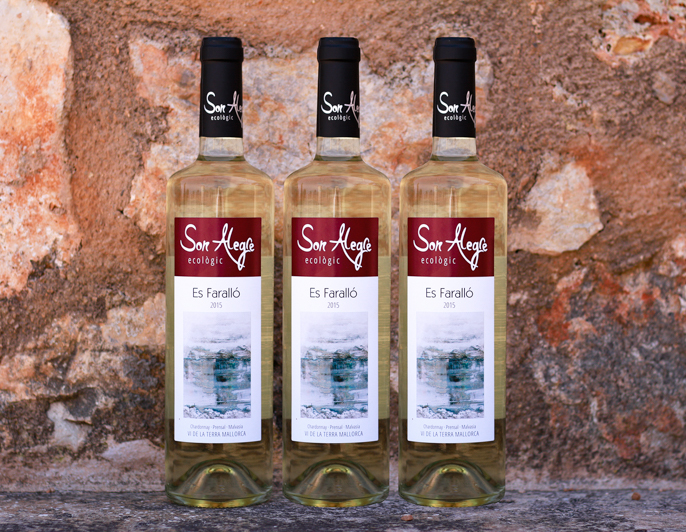
Vinya Son Alegre Proudly Presents the New Organic Es Faralló White Wine

Es Faralló 2015 2

We are happy to present our new white wine, the Es Faralló 2015.

The Es Faralló white wine is a composition of organically grown Chardonnay (40%), Prensal (40%) and Malvasía (20%) grapes. Son Alegre is one of the few vineyards of Mallorca cultivating all their vines according to EU organic farming standards. Unlike most other vineyards, we also follow a number of principles of Biodynamic agriculture. We also leave our soil undisturbed by not ploughing our land. Our grapevines were ten years old at the time of the harvest at the end of August 2015. All grapes are always carefully collected by hand.

Son Alegre 2016 2

The young white wine was vinified at a controlled temperature of between 13 and 16º C during the fermentation process with a maceration of 21 days. The fermentation took place in stainless steel vats in our own new bodega in the village of Calonge (Santanyí). The wine matured for eight months in the tanks and a further two months in the bottle. The wine was bottled in June 2016. This year, the alcohol content of our white wine is 12.5% vol. Only 6,000 bottles of this wine were produced. We would like to have a higher output but we are still only a small vineyard. Growth is not our main objective; quality is, as well as respect for our land and the highest regards for Nature and the environment. In any case, we are grateful and beholden for what we have been able to achieve.

Es Faralló 3
Our Es Faralló 2015 white wine is best served at a temperature of 6-8º C and is well suited to the Mediterranean landscape and the climate of our precious island Mallorca.

¡Salut!

Celebrating Planet Earth

Son Alegre April 2

Today, April 22nd, the world celebrates Earth Day in more than 190 countries worldwide.

Like so many other ideas, Earth Day is an American invention from the Seventies. According to Denis Hayes, the National Coordinator of the first Earth Day in 1970, Earth Day is now “the most important secular holiday, which will be celebrated this year by more than one billion people”. The celebration of this day aims to activate and motivate our awareness of the environment, the planet Earth, of true sustainability, of the future of the Earth and of the survival of life on this planet.

Son Alegre April 1

At Son Alegre we believe that it is important every day of the year and it is always the right time to act in full awareness of the environment and of our precious planet. Our finca and the production of our organic wine is marked throughout the year by the interaction of Nature with forests, the low mountain range of the nearby Serra de Llevant, the Mediterranean Sea, effecting our wine at a distance of only 5 km, of wind and weather, of animals, insects, birds, bees, ants and other creepy crawlies, plants and wild plants, herbs and so-called weeds, which are all interconnected in harmony. We recognise every day that the organic interplay of All and Everything is the best way to preserve our environment and our planet Earth.

Son Alegre April 4

At Son Alegre, we endeavour to preserve our small piece of land for our descendants, so that the “Garden of Mallorca” will still be a paradise tomorrow; a Garden of Eden if you want, for us, for our children and for our children’s children. If we all do just one small step in the right direction, we can indeed succeed.

Today, on this very Earth Day, we should be aware of our possibilities and the potential that we each individually possess.

Earth-Day-2016-Poster-Earth-Day-Network

We Are What We Sow

Son Alegre marzo 2016 5

We are proud to be part of the ecological movement of organic agriculture here in Mallorca which, in recent years, has gained quite a bit of importance. And not only in Mallorca; in Spain and throughout Europe, a return to a more natural way of agriculture can be observed, a trend which is enjoying a remarkable boom. Today, more and more consumers are demanding food and nutrition free of chemical fertilisers, free of herbicides and pesticides, and also free of GMOs (genetically modified organisms), be that in wine or olive oil, as in the case of Son Alegre, or in flour and bread, vegetables, fruit, milk or honey, to name just a few major food categories.

Son Alegre marzo 2016 2

The European Union has established rules for organic and biological agriculture, that we and our colleagues here in Mallorca aim to adhere to meticulously. In Mallorca, organic farming is controlled by APAEMA (Associació de la Producció Agrària Ecològica de Mallorca, the Organic Farming Association of Mallorca), a kind of supervising body of organic farming that has been in existence for ten years now and which has its headquarters in Porreres.

Son Alegre marzo 2016 4

It is for this reason that an annual event is held in Porreres presenting organic products and organised by the very same APAEMA, which will be celebrated this Sunday for the tenth time, the Diada d’Agricultura Ecològica. Porreres, April 17, from 09:00 to 16:00 h, if you should be interested. The weather forecast is promising us dry weather; there will be plenty of food offered as well as drink. You will find organic honey, wine, beer, fruit and vegetables, olive oil and other products from Mallorcan production, to be tried and tested and to buy if you so wish.
Diada d'Agricultura Ecològica

See you there.

Good News For Santanyí

Son Alegre, DO Pla i Llevant

Sometimes bureaucracy is just that, cracy, or should we spell that crazy?

When the winemakers of the central region of Mallorca, an area known as the Pla, decided in 1999 to create their own DO (Denominación de Origen), there only were vintners in Petra, Sineu, Algaïda, Ariany, Maria de la Salut, Sant Joan, Santa Margalida and Muro who cultivated vines, harvested grapes and proceeded with the art of wine making. An invitation was extended to their colleagues of the East and the South of the island, and Capdepera, Artà, Llucmajor, Campos, Porreres, Manacor, Montuïri and Felanitx were included in the new DOP (protected designation of origin), or DO for short, called DO Pla i Llevant.  Somehow, the region of Santanyí managed to be left out, even though it plainly belongs to the Llevant region, simply for the fact that since 1895, nobody had embarked on the challenge of producing wine in this area. Ever since the new millenia, the DO Pla i Llevant, as it is called formally and officially in good old Catalan, has been busy producing wine, and quite successfully so, without ever giving another thought to the people or the region of Santanyí.

Well, things started to change in 2002, but ever so slowly. A young man from Santanyí, grandson and great-grandson of farmers, bought a sizeable piece of land, some 51 hectares, planted 1,000 olive trees, sowed plenty of autochthonous Xeixa wheat and converted a 5 ha piece of the newly acquired estate into what it had been a hundred years before, a vinya (vinyard). Some 12,000 vine rootstocks were lovingly put in the ground, mainly bearing grapes of the Chardonnay and Malvasía varieties, as well as Cabernet Sauvignon, Merlot and Syrah.

Son Alegre, DO Pla i Llevant 1

You can’t buy some land and plant some vines and expect to be included in a protected designation of origin, you can only do that for a protectable product. And wine making is a slow business. It takes three years before you see the first grapes to speak of and another one or two, before you have any sizeable harvest. In the case of Son Alegre, the first proper harvest was made in 2008 and the first wine came to be bottled in 2010. Now we are into our sixth year and hence, an application has been lodged with the good people of the DO Pla i Llevant during the summer of 2015.

But not so fast, please. Everything in Europe these days has to pass the critical eyes of the mandarins in Brussels. Before an application can even be made to the European Commission, the local authorities have to give their consent first. We are pleased to let you know that the Consejo Regulador de la Denominación de Origen Pla i Llevant submitted Son Alegre’s request to be included to the proper Mallorcan authorities. On January 11th, 2016, the BOIB (Boletín Oficial de las Islas Balears) published the decision of the Consell Insular de Mallorca and its esteemed Dirección General de Agricultura y Ganadería to include Santanyí in the aforementioned DO Pla i Llevant. 

Not quite there yet.

Any publication in the BOIB, an organ of the much lauded Govern de les Illes Balears, only comes into effect if nobody lodges any opposition to the new rule and regulation. A period of two months is allocated for any such protestation and we believe the crucial date to be yesterday, March 11th. As far as we know, no-one has lodged any complaint. That means that the whole package of submission and suplication is now on its way to Brussels, or should be any time soon. With a bit of luck, in another year or perhaps two we might be finally allowed to use the seal of approval of designation of origin or in Catalan, the Denominación de Origen of the Pla i Llevant.

This is what it will look like when we finally get it:

logo-pla-i-llevant

Patience is the name of the game, especially in the art of wine making.

Cheers.