Presenting Our Son Alegre Video

Son_Alegre_Video

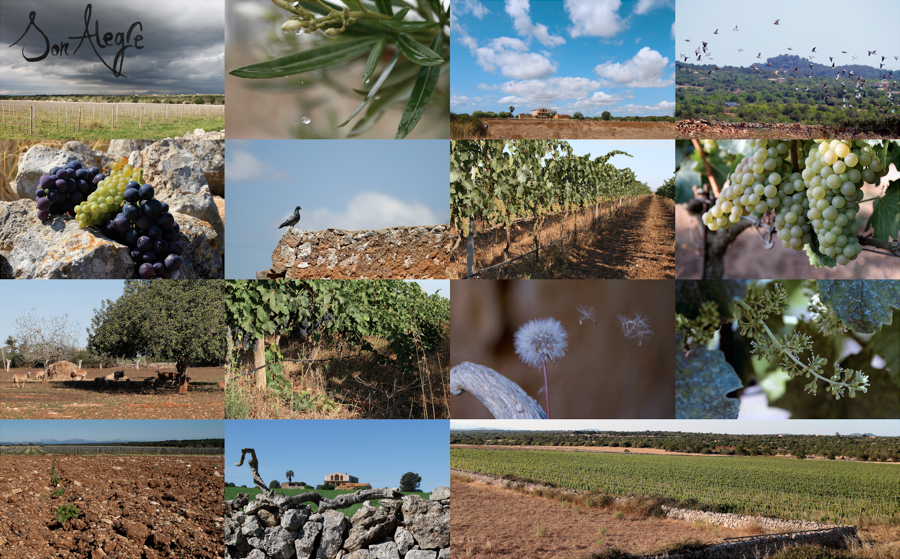
Son Alegre Vinicultors is dedicated to growing grapes in harmony with nature. In our video we show the fauna and wildlife of our land. Our deep regard for nature rewards us with a truly beautiful harvest, not every year perfect but always true to the land. For this we are truly grateful.

Our wine is made with the help of nature. Nature is always our inspiration. At Son Alegre we always work according to biodynamic principles.

We are proud to present our new video Beautiful Son Alegre.


Comprehending The Health Of Our Planet’s Ecosystems

rabbit_hole

Understanding the health of our planet’s ecosystems is the holistic understanding of agricultural activities in the long term period.

At Son Alegre, we cultivate our vines according to biodynamic principles, the holistic way of understanding the interaction of our soil with wildlife and insects that allows us to reconnect with nature.

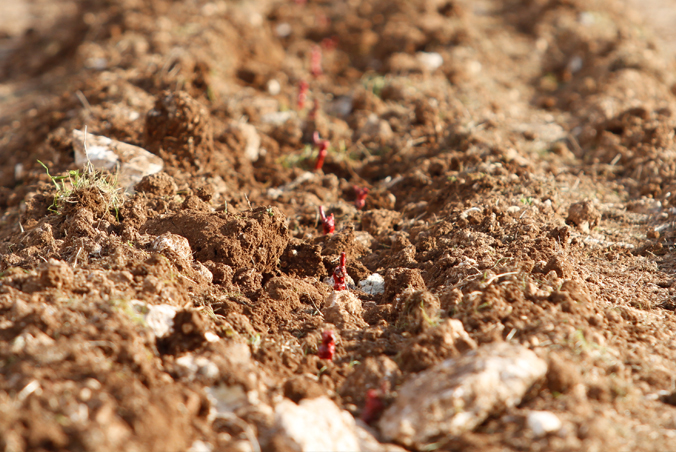
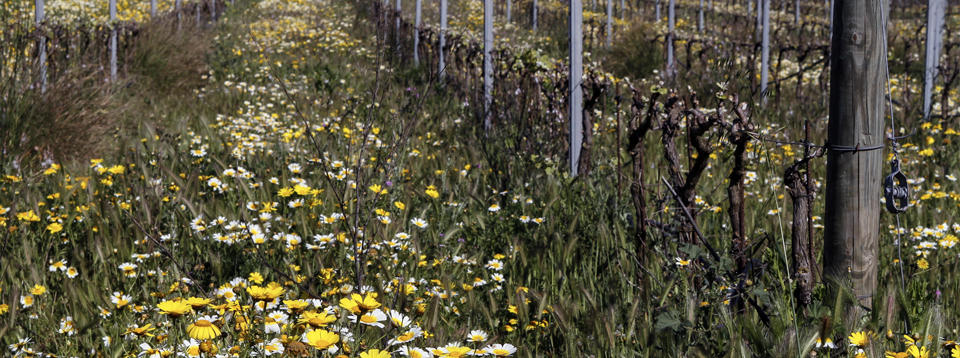
To this end, we do not plough our vineyard with heavy machinery. We use biodynamic compost produced from the remains of grapes and other herbal and mineral components plus our own organic manure. We allow a vegetable cover all year round. We carry out pruning according to the lunar calendar. We perform all the tasks in the vineyard by hand. We refrain from the use of chemical pesticides, herbicides and fertilizers of any kind. We reduce, by more than 80%, the permitted doses of copper and sulfur used to prevent mildew. We use infusions of medicinal plant substance to prevent diseases.

In short, we simply allow nature to do its integrated and holistic task even if it leads to lesser quantities and a lower profit margin. Our respect for nature has so far regularly given us a good harvest. It may not always be perfect, but it is always in accordance with our sanity, health and peace of mind.

We want our soil to remain of good use for our future generations. We aim to give back to nature what nature has given us forever more.

Soil_closer

A Field Without Trees Is Like A Plant Without Flowers

Son Alegre_new field

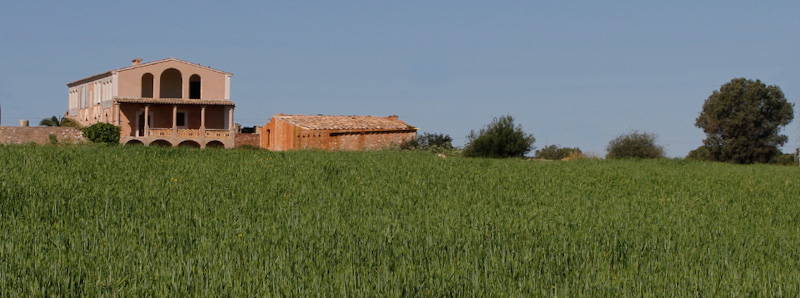
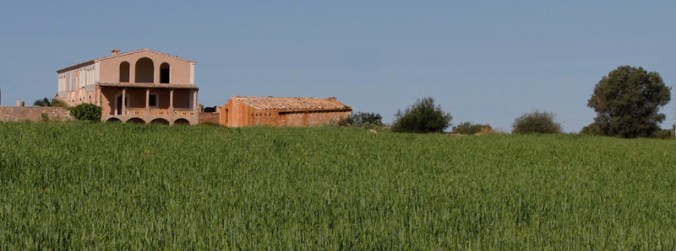
Son Alegre as a finca used to be a dairy farm. During the Eighties, the finca was sold to a German group of investors who wanted to convert the fertile land into yet another project of investment and applied for planning permission for an urbanization. Thanks to Miquel Manresa from Calonge, the land has since been converted into a hortus of organic farming.

Son Alegre_sheep

Since when do you run Son Alegre?

I bought Son Alegre in about 2002 from some Germans who wanted to create an urbanization with 20 parcels of individual properties, which luckily did not go down well with the authorities. Before that, an almond plantation existed here and for the last 20 years, Son Alegre was a dairy and sheep farm.

What did you plant there?

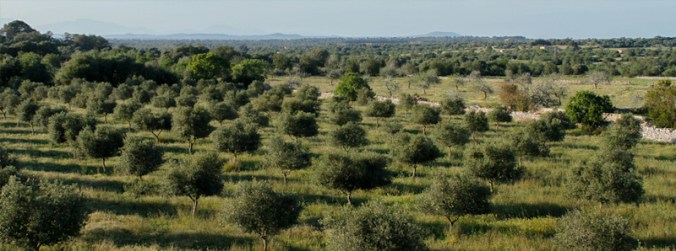
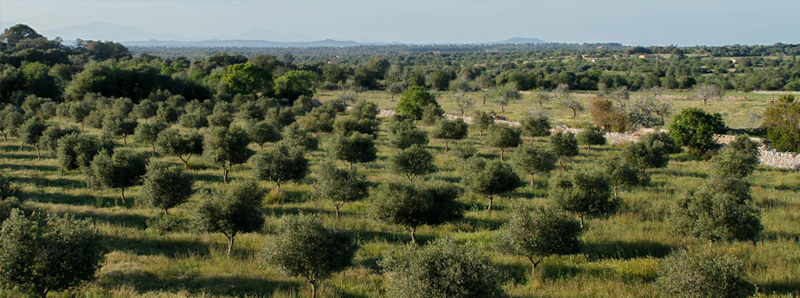
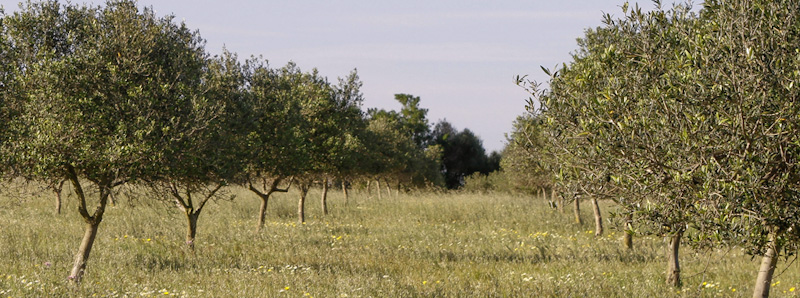
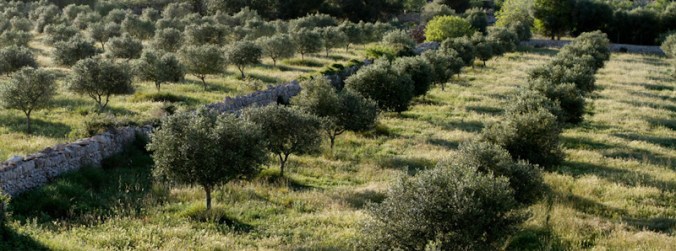
Land without trees is like a plant without flowers. I planted a vineyard as well as olive and carob trees. I wanted the trees to do well and for that I planted them in the traditional Mallorcan 8×8 pattern. I had the idea to create ​​a small forest of trees that would eventually allow the land to become self-sufficient: our experience of the land would be what is inside of us.
Son_Alegre_Xeixa

Had you been a farmer?

I was born into a peasant family in Calonge (Santanyí). But for the first 16 years of my professional life I worked in tourism. Then I realized money was not everything and that I wanted more quality of life. My idea is that by the time I am gone I will have helped create a space that would be beneficial for our society.
Olives_3

What type of vineyard did you create?

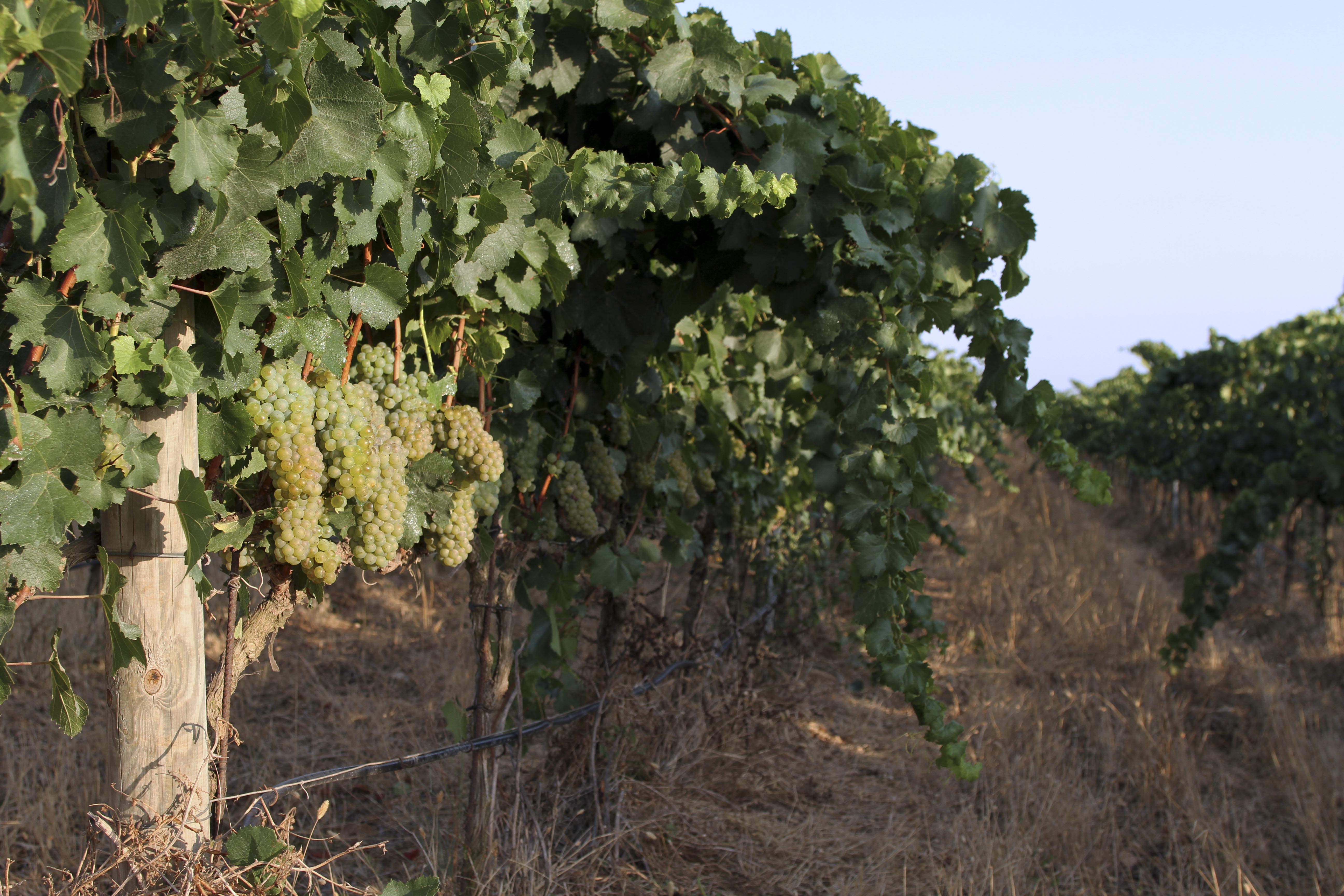
So far, I have planted 3 hectares of red grapes, Cabernet Sauvignon, Merlot, Syrah and Petit Verdot, together with some white grapes, Chardonnay and Malvasía. In the near future we want to plant Callet as well as some other native varieties. This year we have started to make our wines with the bodega of Armero i Adrover in Felanitx.

Son Alegre_Vineyard

What else have you done?

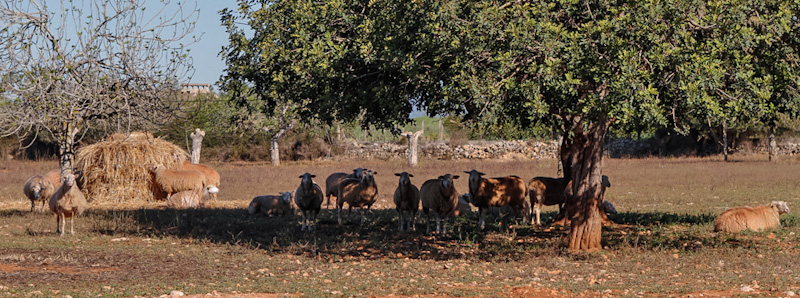
Alltogether, our estate has 51 hectares and we want to continue to plant more olive trees and some more vines. We also have some 60 sheep and a dozen Mallorcan goats. Everything is organic. We have sowed Santanyí Xeixa wheat and some barley and legumes as our own natural animal feed.

How are your olives and how is your olive oil?

The olives are of the Arbequina variety and I have started to produce some virgin olive oil. This year I began to bottle the Sileo‘ olive oil which comes from the Latin phrase Sine Sole Sileo, which is found on our sundial meaning Without the sun, I am silent.Without the sun there is no life.

960x358_oliveGroveS

Has it been easy to make this product?

It actually takes a lot of work to make oil. We have planted olive trees on 6 hectares of land and have harvested 10,000 kg of olives to yield no more than 1,100 litres of oil. One either goes for volume or one aims for quality. The olive harvest has to be done at its best moment. It is quite hot here in Mallorca and by mid-October the olives would normally be ready to be harvested, but then the olive is still too water-logged. The later the crop is harvested the better the yield, but then then there comes the risk of more oxidization and more acidity. We tried to make an olive oil of low acidity, fully aromatic and very fruity.

Have you had any problems with pests of any kind?

Mallorca is one of the places where it is difficult to grow olives organically because of the olive fly. We tried to combat the fly with bottles of Diammonium phosphate. With that we caught quite a few flies. During the flowering period we used Kaolin (a soft white clay) which has some effect on the fly. During the night, we washed the leaves with a natural product and if the fly is harmed by this it dies, but the following day the product no longer has any effect. This way, we try to protect our crop, but it requires a lot of work.

Son Alegre_Olives

How do you see agriculture in Mallorca?

Mallorca is like a big garden. In spite of everything Mallorca is a massive orchard. Hoteliers should see that because we are all sitting in the same boat. If this garden would no longer exist there would not be nothing at all. It would be important if some of the resources generated by tourism were reinvested in the land. By the time our products reach the end consumer there is, all too often, no margin left for the producers. The farmers of Mallorca have disappeared because parents wanted their children to go off to do different things. Now we have a land devoid of people, and this proves to be wrong and we have to change.

Son Alegre_vines

What can we do to change all this?

There are 12 million people coming to Mallorca every year and still, we cannot sell our almonds to them. With the almonds we could do so much and with the carob too. We have become too entangled. We have no sense of valuing what we have and where we live. And we are surrounded by a garden. If only we could sit in a plane and see our island from above us, we would marvel and value this land. Tourism has to join forces with the rural world and its products. That is the solution to revive farming and the land.

vines_margaritas

What do you think of public subsidies?

In the absence of any general profitability of farming land, some form of public funding would encourage young people to stay on and work the land. This could fulfill an important function. The future of the our land is in the hands of young people, and some financial incentive would allow young farmers to get ahead of the game.

(The above article is from an interview with our Miquel Manresa, held by Mateu Morro for dbalears.cat, April 2nd, 2011)

Celebrating The August Half Moon With Victor Uris Quartet At Cala Sa Nau

Victor Uris-Cala Sa Nau-Eng

Vinyes Son Alegre is proud to sponsor the Victor Uris Quartet at Cala Sa Nau tomorrow night, August 19th, at 19:00 h, to celebrate the Last Quarter of this year’s August moon.

Admission is free. Son Alegre wines will be served by the glass at 2 € . We would expect you to respect nature and the environment.

Please drink with moderation and don’t drink and drive.

¡Salut!

Allowing Nature Help Us Make Organic Wine

Son Alegre Fauna -1

Son Alegre is a young vineyard from Santanyí producing organic wine. No wine has been grown commercially in Santanyí since 1898 when the grape phyloxera (Daktulosphaira vitifoliae), a microscopic, pale yellow sap-sucking insect, related to aphids or plant lice, played havoc with Mallorca’s wine industry. We are the first ones to have a go again, and we allow nature and her little helpers aid us make our wine. Our grapes are cultivated according to bio-dynamic principles. Son Alegre wine is made with nature’s help.

Son Alegre Fauna -2

At Son Alegre, we respect nature. We respect the soil, the countryside, the micro-climate, the birds, the insects and the wild flowers because we know that when we respect their existence and their environment and act in a responsible way, nature will help us make a better wine.

Son Alegre Native -1

Our ambition is to let nature be undisturbed in the best possible way. The more we respect the holistic interaction of this microcosm of our vine plants with the native flora, often mistakenly called weeds, and the interaction with native insects, bugs and tiny creatures, the more thriving and healthy our grapes will grow. We currently grow nine different grape varieties, four white ones and five red ones. So far, we have produced twelve different wines. 

You can gather more information from our Son Alegre website.

Cultivating the Malvasía Grape

Malvasía grape Vinyes Son Alegre

Vinyes Son Alegre is one of only a few vineyards growing the Malvasía grape variety. Historically, this grape has only been grown in the Mediterranean region, the Balearic Islands, the Canary Islands and the island of Madeira, but now it is tended to in many other wine-making regions of the world as well, such as Italy, Slovenia, Croatia, Corsica, the Iberian Peninsula, California, Arizona, Australia and Brazil. In the past, Malvasía wine was predominantly consumed as a sweet dessert wine similar to Malmsey wine from Madeira. The white Malvasia grape is more common but, a red Malvasia grape also exists.

In the old days, wine generally only had about 7 % of alcohol. As it was quite difficult then to sufficiently cool the wine, much of the wine as a consequence turned sour and could not be stored for any length of time. In contrast, the Malvasía wine even at that time had an alcohol content of about 14 %, allowing it to be stored that much more easily and longer. Its low degree of acidity was regarded as delicious. Soon, the sweet Malvasía dessert wine was very popular in the European courts.

Here in Mallorca, the Malvasía vine was only rediscovered in the 1980s. Then, the Malvasía grape only grew in the Tramuntana area, in Estellencs, Banyalbufar, Deià and Pollença, with Banyalbufar being the main producer. Of all the wine grown in this municipality, Malvasía is the only grape variety there. During the 16th century, a total of 25,000 litres of Malvasía dessert wine were produced by the Cooperativa de Banyalbufar alone, with most of that astounding amount being sent to the Court of Aragón.

We introduced Malvasía grapes to the area of Santanyí. In fact, you might be interested to know that we are the first and so far the only vineyard in Santanyí for more than 120 years. The Malvasía grape likes the climatic conditions at our land, where the coastward hinterland of Santanyí joins the Mallorcan Sierra de Llevante hills at an altitude of 66 m.

Vinyes Son Alegre wines

Apart from Malvasía, we grow other grape varieties as well. We also grow Chardonnay, Giró Ros and Viognier white grapes, and we grow Monastrell, Merlot, Syrah, Callet and Cabernet Sauvignon red grapes.

At the end of this Summer, we shall open Can Taconer, our shop in Calonge, where you will be able to sample our wines, as well as Sileo, our Aceite Ecológico de Oliva Virgen Extra (Organic Extra Virgin Olive Oil). Watch this space for further information.

Designing Wine Labels, a Creative Competition

wine_label_competition

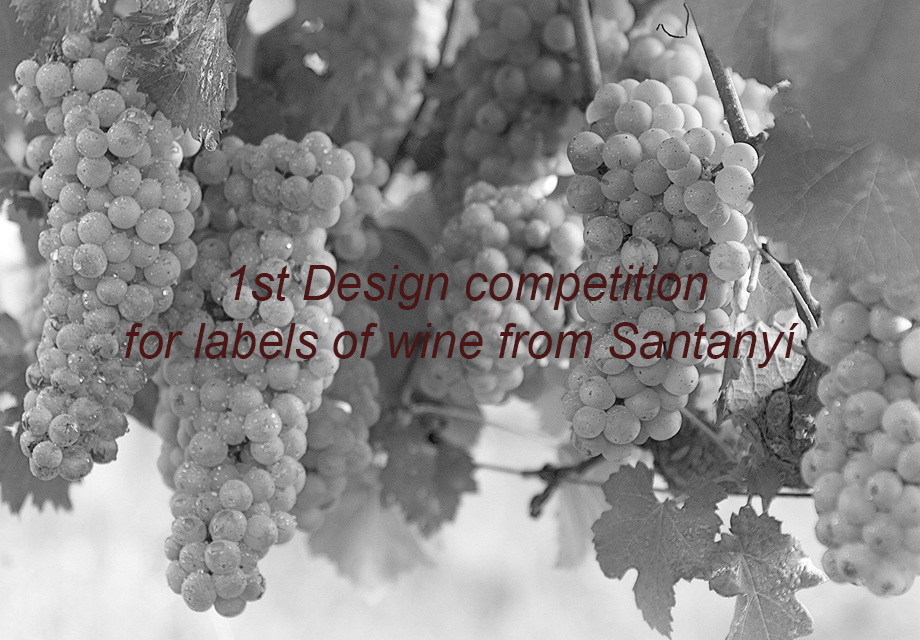
A creative competition was launched earlier this month by Vinyes Son Alegre SL in partnership with the Ajuntament de Santanyí, the Cultural Association Lausa and the Cultural Association of Calonge, Es Mayoral, for the design of wine labels. Three designs will be selected from all entries for Red, White and Rosé wines under the names of s’Antigor (for the Red wine), S’Aragall Blau (for the Rosé) and Cocó Barber (for the White wine). Each of the winning designs will be awarded the sum of 700 €. The contest is open to all artists over the age of 18. The deadline for the competition is October 30th, 2014, at 13:00 hours.

The competition winners will be announced during the celebrations of this year’s Festes de Sant Andreu in Santanyí, Mallorca (November 30th, 2014).

Detailed rules of the competition can be found on this PDF file.

Harvesting the Wine

vendimia Chardonnay

Yesterday, we started with this year’s wine harvest at Son Alegre in Santanyí. Our white grape varieties, Malvasía and Chardonnay, were the first ones to be picked. The cheerful activities started at 07h00 in the morning to avoid the severe heat later in the day. Luckily, our land benefits from the Emblat, a local meteorological phenomenon of a cool current of air from the sea encountering hotter air at our land at an altitude of 66 m, thus creating a fresh and cooling breeze. Our crops benefit from this current of air throughout the year and yesterday, our team of harvesting helpers welcomed its benefits just the same.

Two other white grape varieties, the Mallorcan Giró Ros and Viognier will be harvested later in August, probably sometime next week, depending on the analysis of their sugar content. Our red grape varieties such as Monastrell, Merlot, Syrah and Cabernet Sauvignon, will be harvested later then the white grapes, sometime between the middle and the end of September, depending on their state of maturation.

vendimia Malvasía

The grapes in the rest of the island will have another week or two to make the most of the current high temperatures and the absence of rain. The region of Binissalem, for instance, will begin its grape picking during the first week of September. The harvest there will culminate in the Festes del Vermar also known as Sa Vermada, a celebration lasting nine days leading up to the last weekend of September. Traditionally, the region of the Serra de Tramuntana is the last one when it comes to wine harvesting here in Mallorca due to the climatic conditions in this mountainous area.

Paying Homage to Pep Costa

A0_DON1UNFLAT_GreenV2OutLineMail

Vinya Son Alegre is proud to honour Don Pep Costa with our Picarol 2013 wine, available in Red (Merlot), White (Malvasía/Chardonnay) and Rosé (Merlot, Sirah, Cabernet Sauvignon). Don Pep Costa was the founder of Cala d’Or (Mallorca) in 1933. He was locally known as ‘Picarol‘ and we respectfully chose his name to commemorate his life’s achievements with our wine.

A festive act was celebrated yesterday at Bar Fernando in Cala d’Or during the Fiestas de Santa Maria del Mar in the presence of Margarita Serra Costa, Picarol’s granddaughter, and Elena López-Gil, Don Pep’s Great-Granddaughter. Also present were the mayor of Santanyí, Llorenç Galmés, and a number of other political dignitaries. The eulogy was delivered by Miquel Manresa, founder and Managing Director of Vinya Son Alegre.

Picarol

¡Salut!


Welcoming the August Full Moon over Son Alegre

SonAlegreFullMoon10August2014

The August full moon gave us this year’s closest supermoon. According to NASA, this full moon was 14% closer and 30% brighter than other full moons of the year.

At Son Alegre, the lunar rhythm is one very important implement for our working the land. We have always observed the lunar calendar and the moon’s phases, just the way our forbears have done when it came to pruning their fruit trees, grafting plums onto almond tree branches, planting new trees, sowing their crop, harvesting their wine, mating their sows, sheep or horses, or even having their own hair cut. One might say that traditionally, the Mallorcan farmers’ lives have been governed by the moon even more than the sun.

Traditionally, the grape harvest is related to the cycles of the moon. For instance, the fortnight between the January New Moon and the January Full Moon is the time to cut the previous year’s vines back and prune them back to the woody-stemmed plant. Our vendimia, the grape harvest, usually starts with the August New Moon. Ever since we started our activities at Son Alegre, we have been guided by the lunar calendar and, so far, we have been rewarded with good results. It may not be perfect every year but it is always true to the land.

We will start harvesting this year’s grapes any day soon. We shall start with two white grape varieties, the Malvasía grape which is characterized by its deep color, distinct aromas and the presence of some residual sugar, as well as the Chardonnay grape, a malleable grape that happily adapts to our Mallorcan soil and in particular the Call Vermell soil, a clay loam formation containing plenty of iron oxide and lime.

We are proud of our work and we are grateful to the moon, to nature in general, to all our many helpers such as indigenous wild flowers and the wildlife on our land. To all of them we are truly indebted.